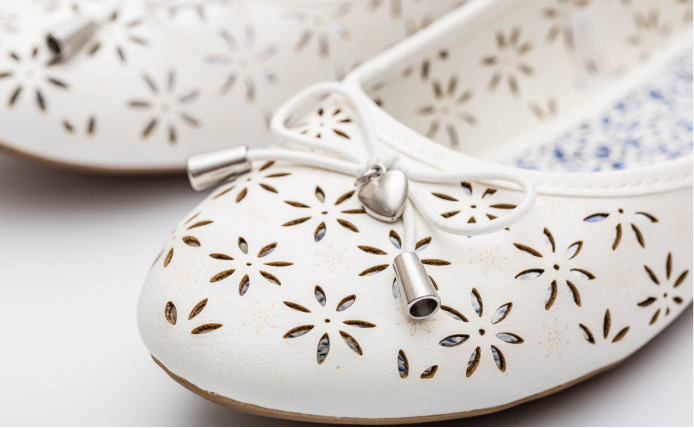
Laser textile cutting, engraving and marking for your production
Processing textiles with laser technology
Environmentally friendly production
Benefit from non-contact precision laser textile cutting and processing by minimizing material waste and reducing harmful pollutants. This way, any health hazards associated with production are eliminated.
Process efficiency and flexibility
Reduce changeovers and manual processes to remain flexible in your production. Profit from laser textile cutting, engraving and marking without tool wear.
Reduced operational costs
Reduce the total cost of ownership by minimizing tooling costs. Streamline your production with laser technology for textile cutting, engraving and marking.
On-the-fly customization of patterns and designs
Precision textile processing with CO2 lasers
Laser technology enables fast and precise cutting, engraving, and marking of textiles. It delivers consistent results across high volumes.
- Clean cut edges, sealed to prevent fraying
- Minimal material waste
- Digital control allows easy design changes without stopping production
- Suitable for natural and synthetic fabrics
Applications include denim finishing, laser cutting airbags and interior textiles in automotive, cutting and texturing leather and engraving detailed patterns.
Additionally, Luxinar CO₂ lasers support various wavelengths to optimize interaction with different textiles. This ensures high-quality results across a wide range of fabrics and industrial textile materials. Their non-contact operation reduces mechanical wear, while digital control allows on-the-fly customization of patterns and designs.
Why Luxinar
Efficient and fast laser textile cutting, engraving and marking
Luxinar’s Duralife® and Ceramicore® CO₂ laser technology offers precision, efficiency, and reliability for laser textile cutting, engraving and marking. Its advanced design ensures consistent, high-quality results while reducing operational costs.
-
High and consistent print quality:
Excellent power stability (<3%) ensures sharper print resolution, highly repeatable results from one print to the next, and uniform quality across large-format applications. -
Faster processing and higher throughput:
Short rise and fall times (below 60 µs) combined with high peak pulse power enable faster processing speeds and increased productivity. -
Consistently banding-free results:
Stable resonator design without branch hopping ensures uniform, high-quality prints with no visible banding. -
Versatile for various textiles:
Wavelengths of 9.3 µm, 10.2 µm, and 10.6 µm optimize laser textile cutting and engraving on different fabrics. -
Non-contact & precise:
Laser textile cutting enables clean cuts and engravings with minimal material waste and no mechanical wear. -
Cost-effective & low maintenance:
No consumables, reduced labor costs, and 24/7 reliability keep production running smoothly.
Gain a future-proof solution that enhances productivity, maintains quality, and minimizes downtime by integrating Luxinar’s laser sources.
*Power stability is measured after a 5-minute warm-up.
We have used all the other conventional metal tube CO2 laser providers in the past, but they are all prone to power loss due to laser gas degradation. Our business model is to NOT see the customer again because of service issues. The lack of prompt recharge service from those suppliers costs our customers expensive downtime.
The Luxinar Ceramicore® CO2 laser is a game changer in the industry. This laser source gives us the confidence to sell our systems in over 60 countries without ever needing local service tech in any of those countries. This is only possible because Luxinar is the epitome of CO2 laser performance and reliability.”
Robert Harbauer - President/Owner, Permaboss
Materials & areas of application
Laser textile cutting and processing fabrics with Luxinar laser sources
Laser textile cutting offers precision, efficiency, and repeatability, eliminating inconsistencies found in traditional methods. Luxinar’s Duralife® and Ceramicore® CO₂ lasers ensure clean-cut edges, reduced material waste, and fast processing speeds across various textiles. No tool wear means minimal maintenance, which helps lower costs while improving productivity.
For industries like automotive, fashion, and technical textiles, laser processing enables detailed designs, high-speed cutting, and consistent quality.
Automotive textile cutting
Automotive textiles such as upholstery, airbags, and interior trim are efficiently processed with CO₂ lasers. Laser textile cutting seals edges, handles complex shapes, and supports flexible 5-axis processing for high-volume production.
Natural and synthetic fabrics
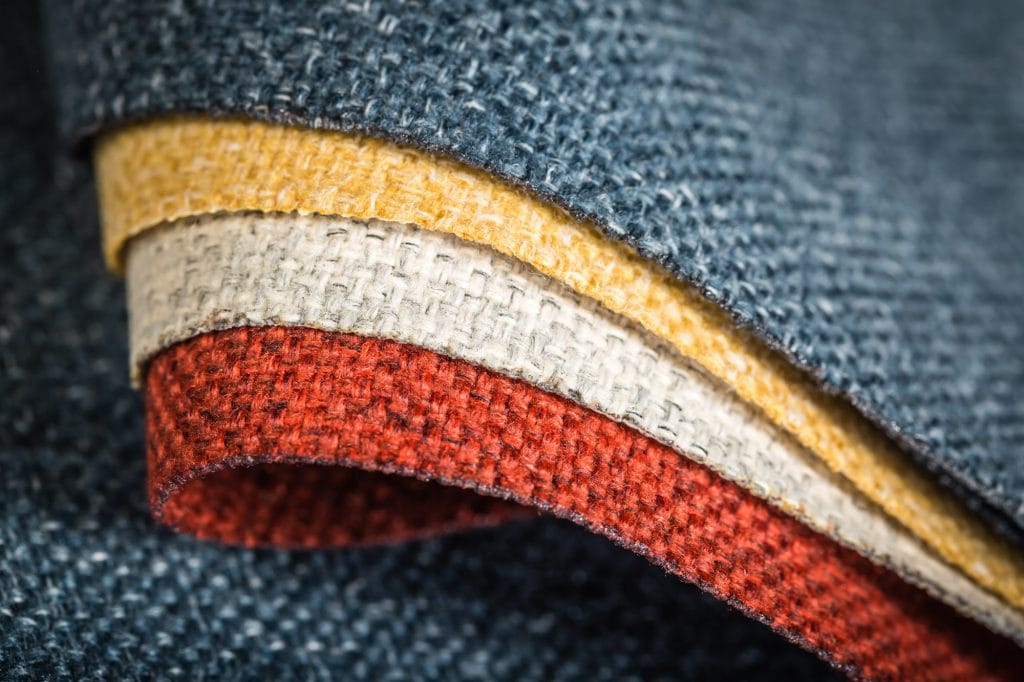
CO₂ lasers process natural and synthetic fabrics with high precision. They deliver clean cuts while preserving softness and minimize distortion or melting on synthetics. This ensures consistent quality, flexibility, and efficient production across diverse textile applications.
Engraving Denim
Lasers replace traditional distressing techniques with a high-speed, repeatable process for adding faded patterns, whiskers, and textures. This non-contact method eliminates the use of harmful chemicals and ensures design consistency on denim fabrics.
Leather processing
Laser technology enables detailed engraving and clean cuts in leather for fashion, upholstery, and accessories. Laser textile cutting and engraving minimizes material waste while enhancing design possibilities and production speed.
Engraving heat transfer films
CO₂ lasers engrave heat transfer films with high precision, removing excess material in a single step without weeding. This reduces manual work and ensures clean designs, faster production, and consistent quality for garment decoration applications.
Save on operational costs with laser textile cutting and achieve faster processing speeds.
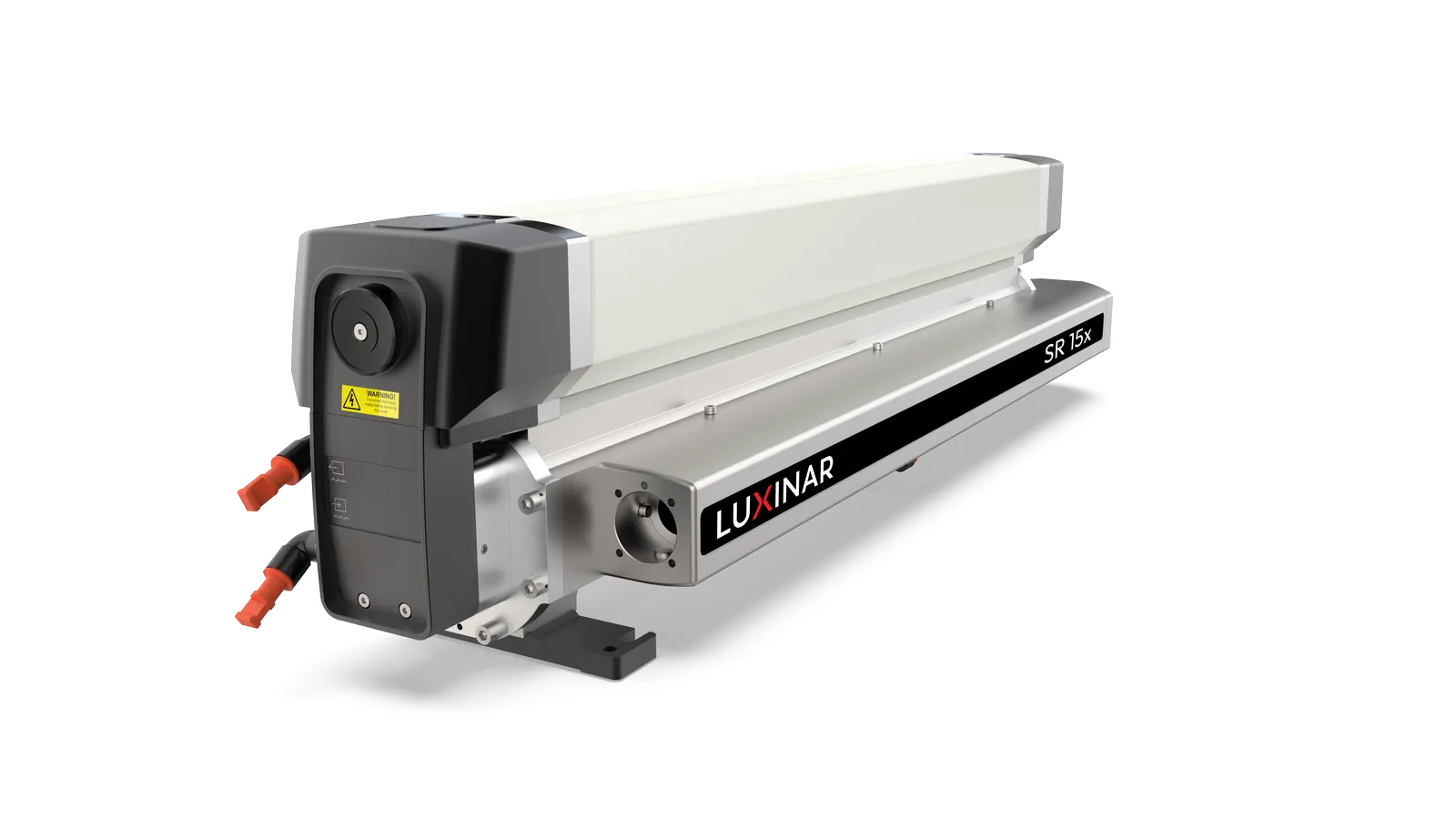
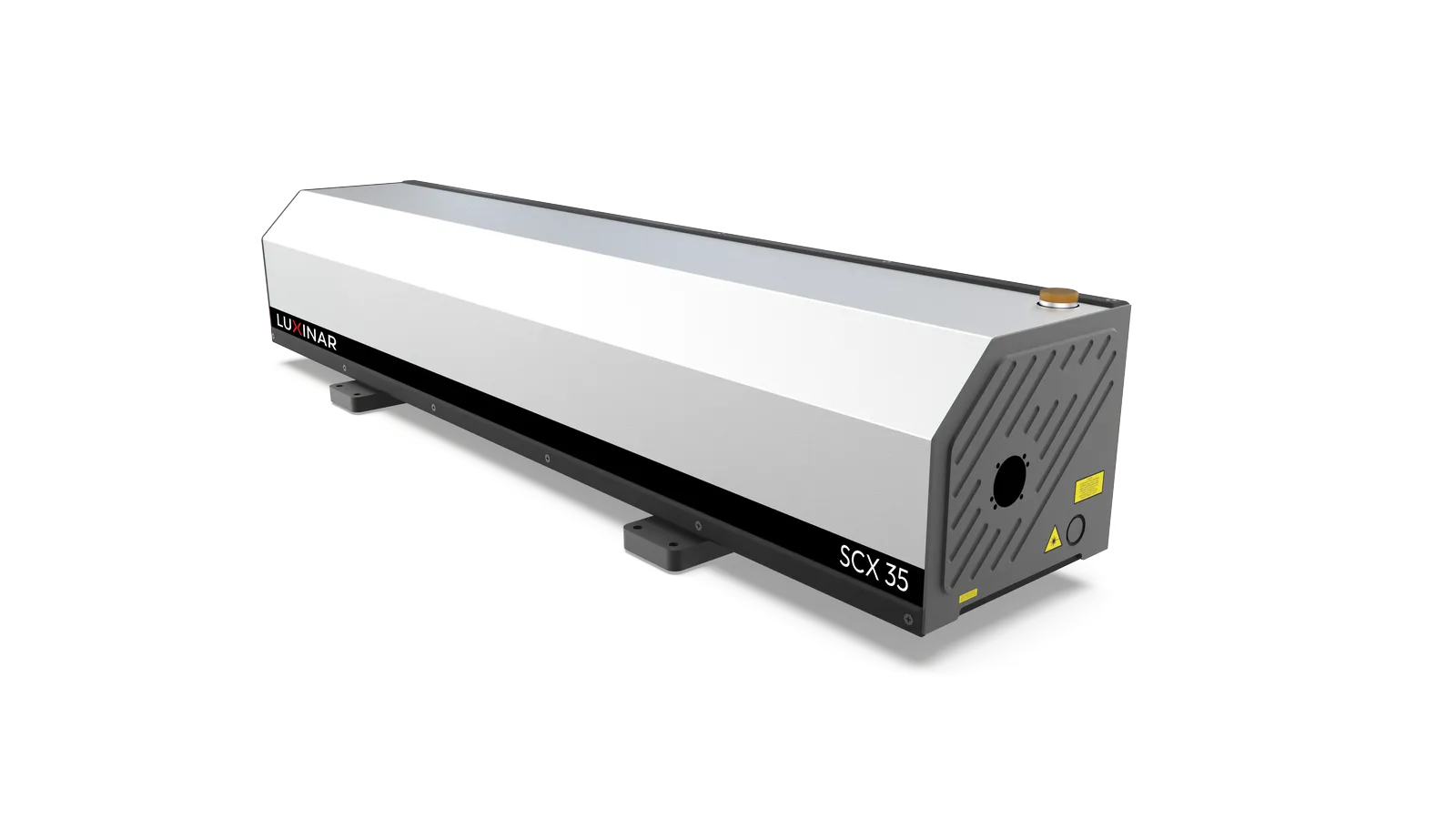
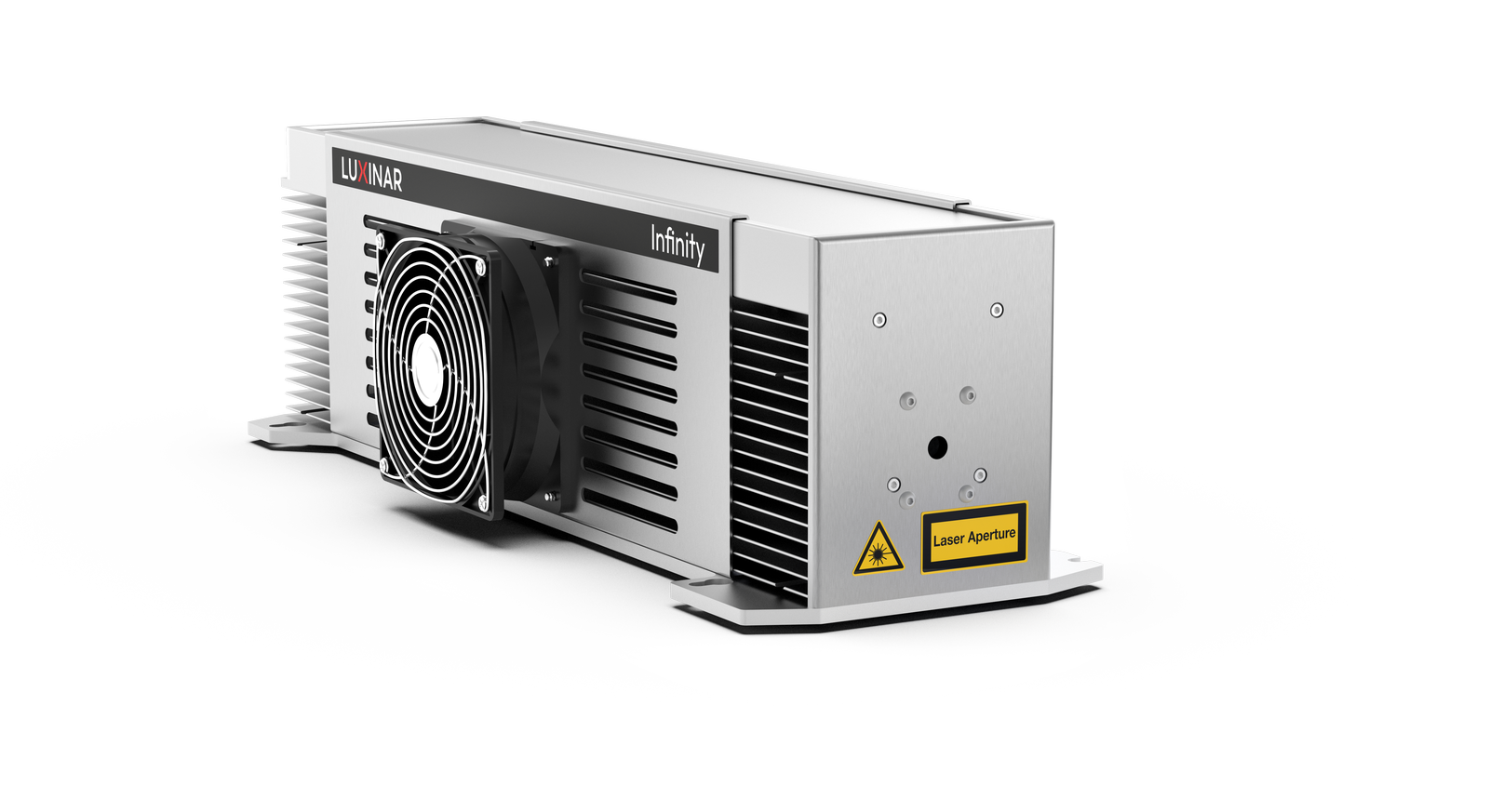
Suitable laser models
Environmentally friendly laser textile cutting, engraving and marking
Duralife® | Ceramicore® | ||||
Laser model | OEM | SR | SCX | Infinity (Infinity Plus) | Destiny |
Type | Pulsed and quasi-CW CO2 laser | Pulsed and quasi-CW CO2 laser | Pulsed and quasi-CW CO2 laser | CO2 laser (CW) | CO2 laser |
Wavelength | 10,6 um,10,2p m, 9,3 m | 10,6 um,10,2p m, 9,3 m | 10,6 um,10,2p m, 9,3 m | 10.6, 10.2, (9.3) µm | 10.6, 10.2 µm |
Pulse rise/Fall time | < 60 us | < 60 us | < 60 us | <75 µs (<40 µs) | < 75 µs |
Beam quality | M² ≤ 1.2 | M² ≤ 1.2 | M² ≤ 1.2 | M² ≤ 1.2 | M² ≤ 1.2 |
Typ. Power stability* | +3% | +3%-4% | < +3% | < +3% | ≤ 4% |
Power range | 450 - 1000 W | 80 - 250 W | 350 W | 50-120 W | 200-250 W |
Frequency range | 0 - 130 kHz | 0-130 kHZ | 0-130 kHZ | 0 - 140 kHz | 0 - 140 kHz |
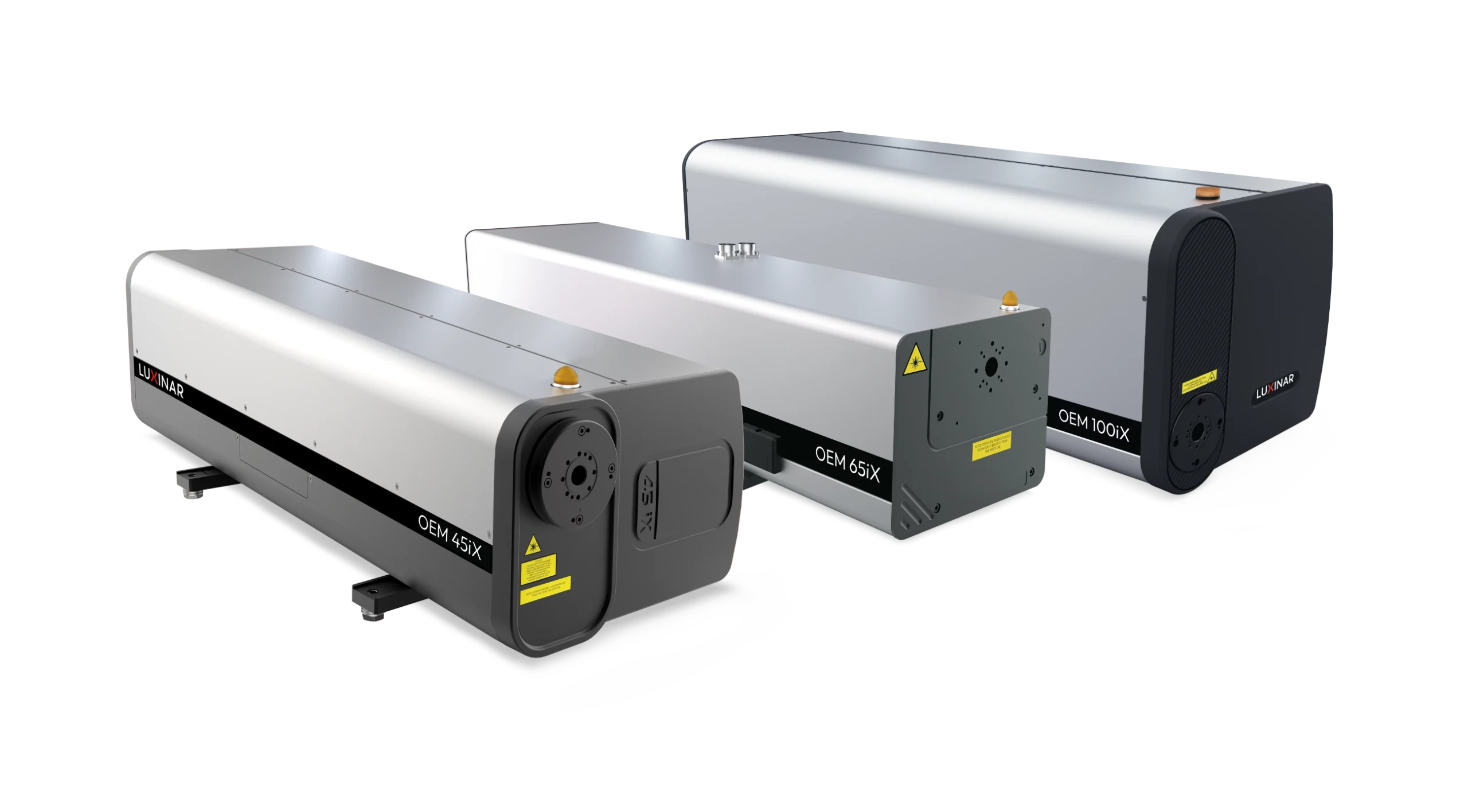
*Power stability is measured after a 5-minute warm-up.
Tailored solutions for your process
Every textile behaves differently. We test your materials in our application labs to
- Validate your process before investment
- Optimize parameters for quality and speed
- Provide you with samples and a clear test report