Ablating and cleaning
Laser ablation for cleaning, coating removal and surface preparation
High-volume battery unwrapping
Non-contact laser ablation allows partial or full automation of the process and handling of cells of different shapes and sizes.
No loss or damage to metal
Our CO2 lasers ablate busbar or hairpin coatings without damage or loss of metal, and with minimal downtime or tooling.
Chemical- and tool-free cleaning
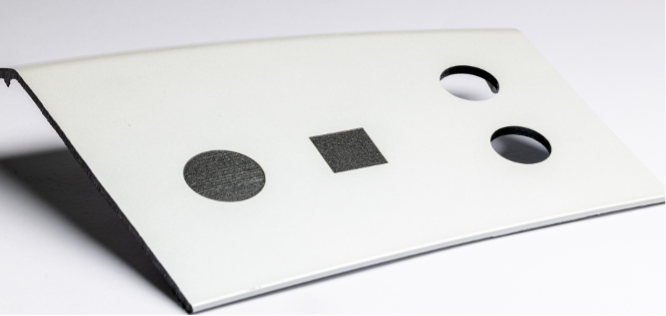
Laser ablation with CO2 lasers selectively removes coatings or roughens smooth surfaces, improving adhesion of car parts.
Ablation, cleaning and surface modification
No abrasives. No chemicals. Laser ablation for clean and prepared surfaces.
Laser ablation is the controlled removal of material from a surface by irradiating it with a laser beam.
Surface cleaning – selective removal of adhesives, coatings and contamination.
Laser processing is gentler than traditional abrasive methods, as well as cleaner and more environmentally friendly. The laser ablation process works by breaking the molecular bonds within the material and vaporising it. Selective absorption often ensures that the coating is removed with no damage to the substrate.
Depth control depends on the laser, the optical properties of the material being removed, and the substrate. Uses include thermal contacting (e.g. e-motor battery cases), electrical contacting (e.g. hairpin coatings and metal foils), general cleaning and removal of residues (e.g., rust, paint, mold).
Surface modification – texturing and cleaning of various surfaces to allow adhesive bonding, e.g., composites for automotive panels.
Laser ablation removes any contaminants and provides a suitable surface to maximize adhesion. Laser processing is much more efficient and precise than the equivalent manual or mechanical process, namely abrading the area with sanding pads.
As well as the obvious process improvements, laser surface preparation techniques offer a range of environmental benefits. For example, laser ablation is used to eliminate the chemicals used in many cleaning processes, and to reduce material consumption in industries including automotive, electronics and printing.
Our CO2 lasers ablate battery films
Laser ablation of battery films (unwrapping prismatic battery cells)
Prismatic, like other format cells in automotive applications, are often wrapped in self-adhesive PET heat shrink film. This film might need selective or complete removal:
- to add heat management components to the bare metal of the can
- to rework non-conforming cells in the production cycle
- to recycle the battery at the end of its life
These processes are primarily performed manually, involving the use of knives to cut the foil and scrape it off, followed by the removal of residues with solvents. This mechanical and chemical process leaves a clean but scratched surface.
Non-contact laser processing allows partial or full automation of the process and handling of cells of different shapes and sizes in high volumes.
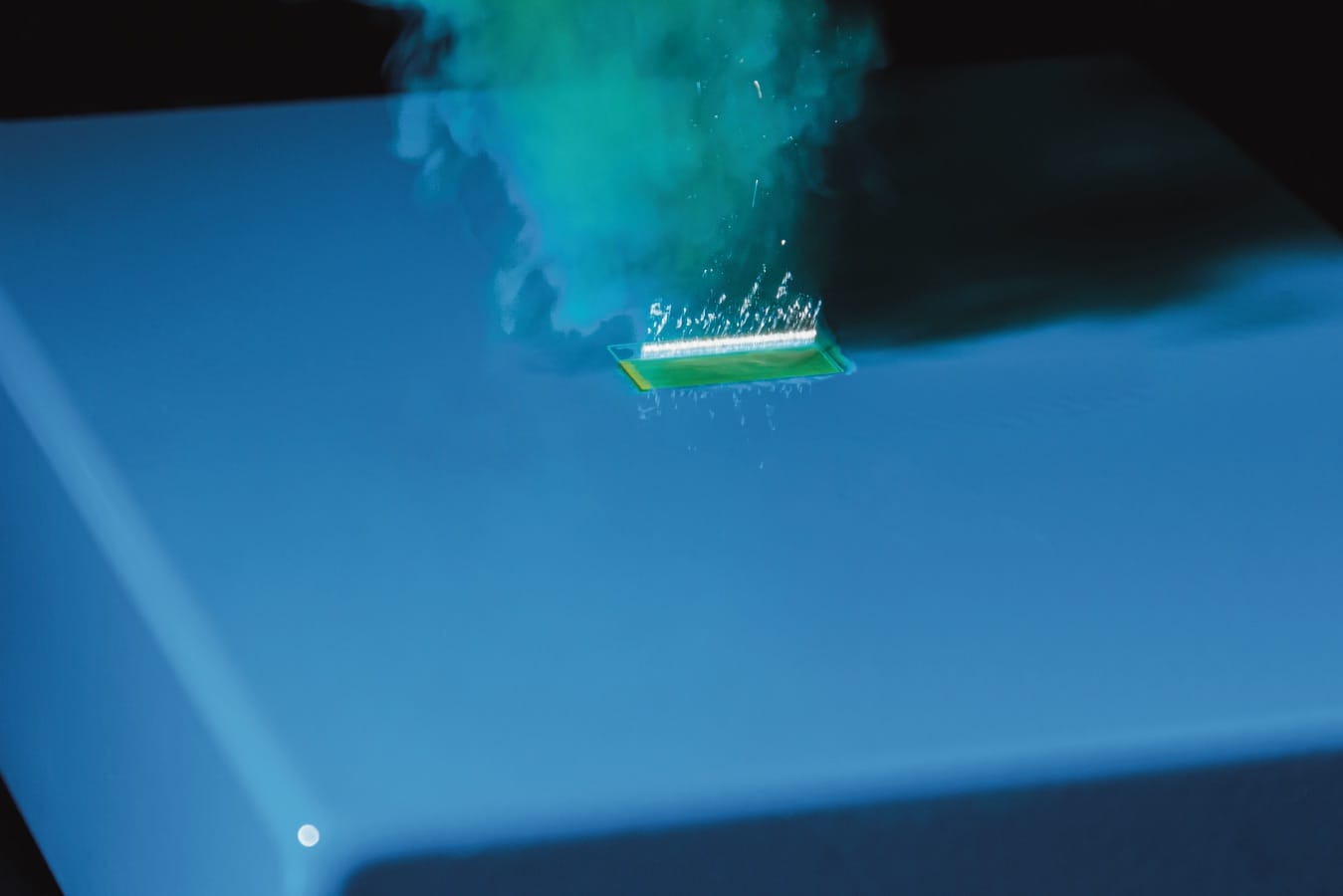
A Luxinar CO2 laser source is used with a galvo scanner to ablate the film, leaving only an invisible, thin layer of residue on the bare metal that can be removed by simply wiping it with isopropanol. The laser ablation process avoids the need for harsh solvents and intensive mechanical effort.
A three-axis scanner with one laser can process three surfaces, and two lasers with a scanner will process all six sides of the battery.
Recommended products: OEM 45iX, OEM 50iX, OEM 65iX, OEM 100iX
Our CO2 lasers ablate hairpin coatings
Laser ablation of busbar and hairpin coatings
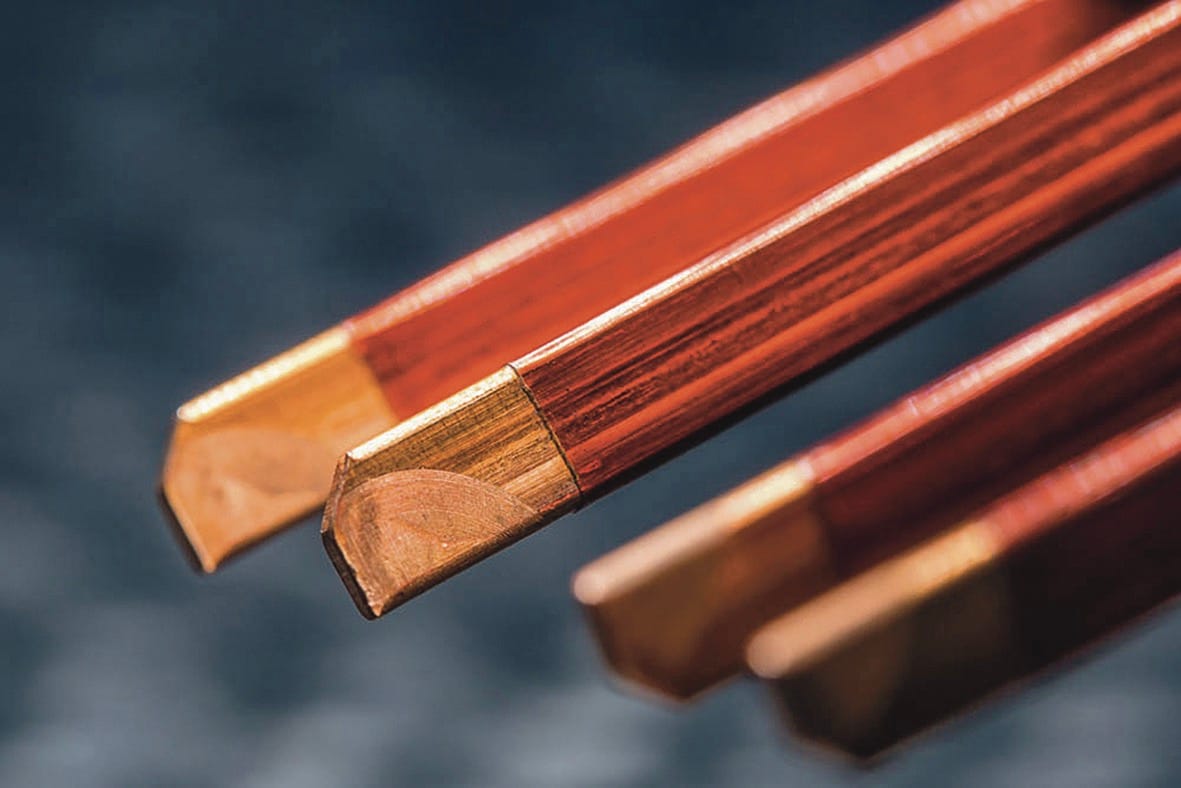
Busbars are made of metal, typically copper or aluminium, and are used in electric vehicles for power distribution and to connect high or low voltage equipment in battery banks. They conduct a large amount of electricity and have an epoxy coating for insulation. This coating must be partially removed so that the busbars can electrically connect to other components in the vehicle.
Electric vehicle motors use copper “hairpins”, rectangular copper wires up to 6 mm wide coated with a dielectric enamel (PEEK, PFA-PI, PA), to provide electrical isolation; this enamel must be partially removed so that the hairpins can be welded for electrical contacting.
Unlike mechanical methods, laser ablation is contactless, without ablation or loss of metal, and with very little downtime or tooling needed for any changes. A galvanometer scanner passes the laser beam over the required area; in this way, two lasers can be used to process all sides simultaneously while leaving the metal undamaged.
Enamel laser ablation using our CO2 lasers is a very fast process. Removal rates depend on the type and thickness of coating, as well as the coating method (cross layer), but there is no material loss (cost of copper or aluminum) when a CO2 laser is used.
Recommended products (busbar ablating): OEM 45iX, OEM 50iX, OEM 65iX, OEM 100iX (hairpin ablating): SR series, MULTISCAN® HE, MULTISCAN® VS
Our CO2 lasers clean residue from printing rollers
Surface cleaning rotary print screens
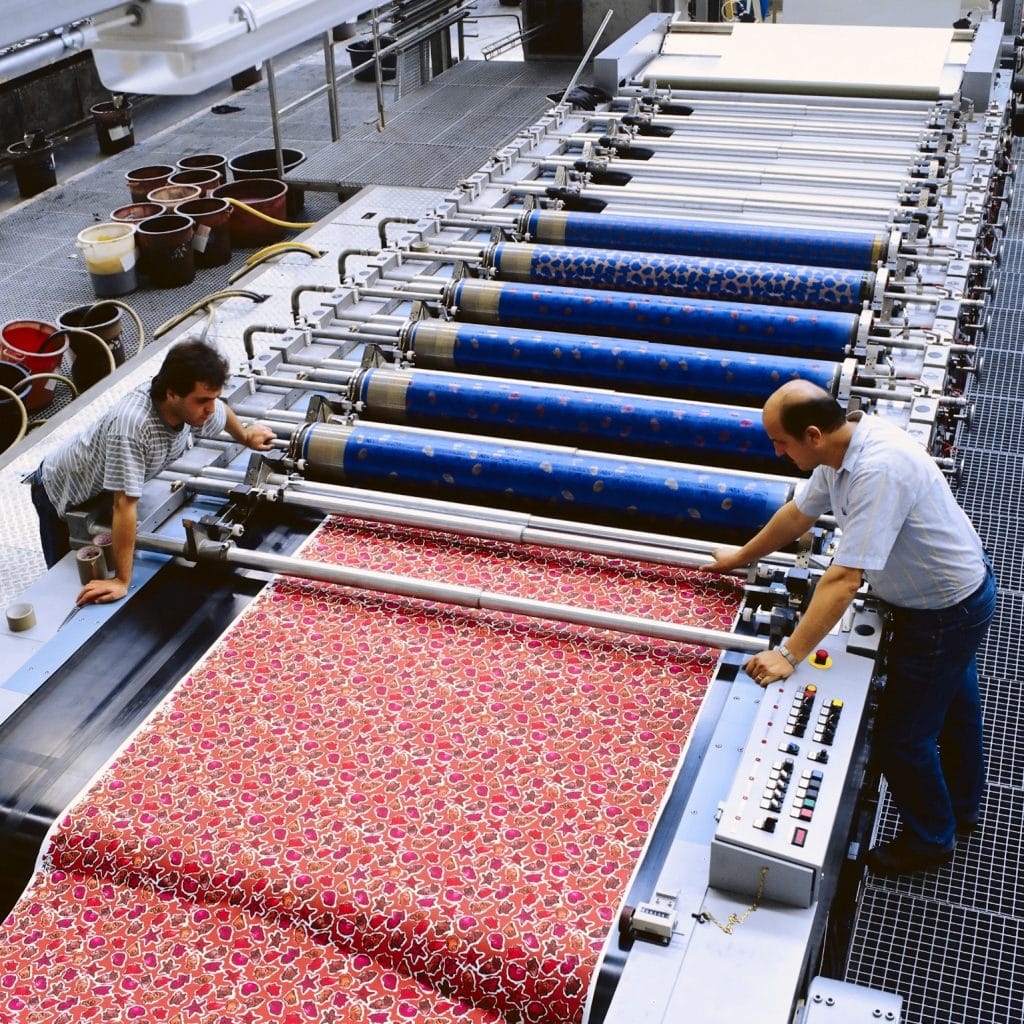
In rotary screen printing, the mesh screen takes the form of a hollow roller, with pigment paste applied from the inside. Residue builds up on the mesh roller over time, causing the print quality and consistency to deteriorate. This residue is traditionally removed by a waterjet process, but this is messy and inefficient and carries a risk of damaging the roller.
A CO2 laser can be used for laser ablation of residue from the roller, selectively removing the printing paste without damaging the metal mesh and thus allowing it to be re-used many times.
Luxinar’s SR series lasers are recommended for this application, offering a range of laser powers to cope with varying thicknesses and speeds of residue removal.
Recommended products: SR series
Our CO2 lasers ablate printing plates
Laser ablation of printing plates and rubber stamps
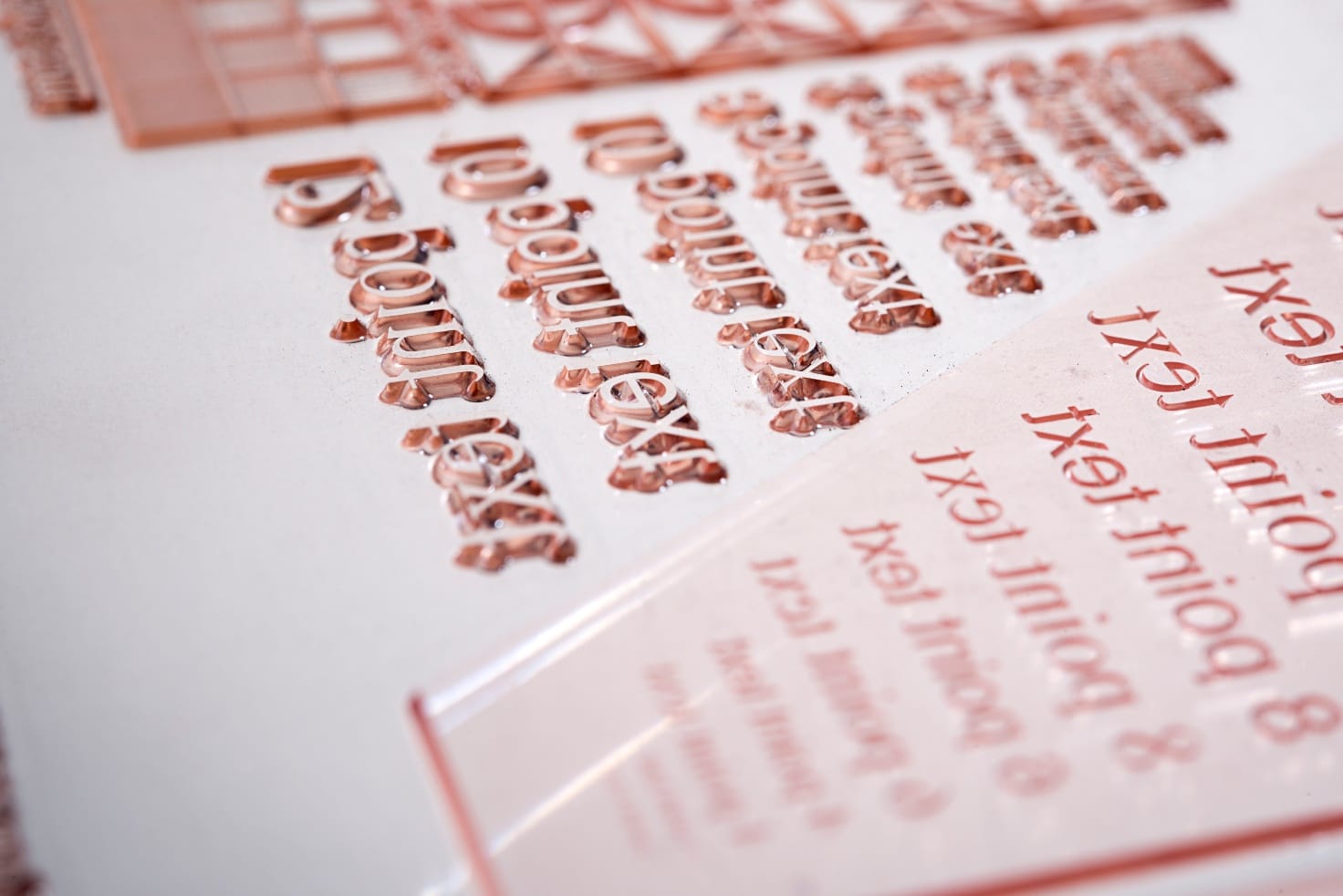
Laser ablation creates a range of printing items, from industrial scale flexographic printing plates to small rubber stamps for home or office use. Printing plates and stamps may be manufactured from a range of rubber, polymer and elastomer materials. Special “laser friendly” rubber is available, which minimizes odor levels during laser processing.
A CO2 laser is used to selectively remove material from the non-printing areas, leaving the print design raised in the rubber or polymer.
Direct engraving with a CO2 laser offers several advantages over traditional methods. Digital designs can be implemented quickly and easily; the print-ready surface is prepared in a single step, eliminating the multiple stages of conventional photopolymer processing. Also no chemicals are required, reducing the environmental impact of the process.
Recommended products: OEM series, SR series
Find the best solution for your laser ablation and cleaning process.
Our CO2 lasers ablate heat transfers for T-shirts
Laser ablation of heat transfers for T-shirts
Laser ablation even finds use within the fashion industry. For example, CO2 laser machines can create designs on heat transfer films that are used to decorate T-shirts and other fabric garments. In this case, the laser ablates a type of laser-friendly transfer film from a carrier layer, removing excess material and leaving only the required design intact.
The design is then transferred to the garment using a heat transfer press. Fully ablating the film has the advantage that the transfer does not require “weeding” before use – this is the time-consuming process of removing small pieces of waste material from the design, which would be left by simply cutting the profile out.
With laser ablation, all the waste is removed by the laser, reducing the total process time significantly.
Luxinar’s SR series lasers are recommended for this application, where moderate laser power is sufficient for fast ablation of the transfer material.
Recommended products: SR 10i, SR 15i, SR 25i

Our CO2 lasers clean molds for glass bottles
Surface cleaning metal molds
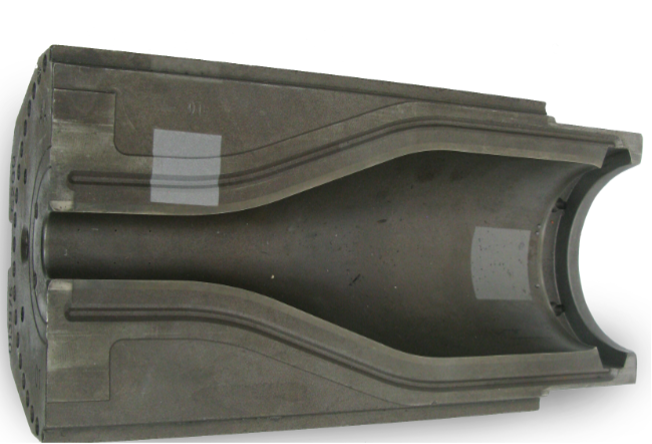
Metal molds are used in the glass industry to create a range of shapes and details on the blown glass. Typically made from brass, iron or aluminium, these molds require periodic cleaning to remove residue from the surface. This is traditionally done by sandblasting.
Although this is an effective technique, it is messy, and the abrasive material may damage the surface of the mould. Sandblasting also carries implications, both for the health and safety of personnel and for the environment.
A CO2 laser can be used in conjunction with a galvanometer scanner to clean the surface of a metal mold. The reflective metal surface remains unaffected while dirt and residue are ablated. Cleaning is achieved without the use of abrasives or chemicals; compressed air is sufficient to remove the particles during the laser ablation process.
Recommended products: SR series
Our CO2 lasers ablate automotive surfaces
Surface preparation of automotive parts
While modern materials have many superior properties, such as high strength, low weight and attractive appearance, they have some less desirable characteristics too. For example, very smooth painted or coated surfaces generally make adhesive bonding difficult. Lasers can selectively remove coatings or roughen smooth surfaces, improving adhesion when components must be glued together.
Laser ablation offers significant advantages over mechanical abrasion. Laser processing is faster, more precise and highly controllable. No chemicals are necessary, and no tooling is needed to incorporate rapid design changes.
Widely used across the automotive industry, applications include the selective laser ablation of painted plastic (PC/ABS) parts to enable adhesive bonding, and removal of overspray paint from car bumpers, spoilers, panels and wheel arches.
Recommended products: SR series, OEM series